
Hüsker Dü

Album Review: Wings’ Wings and Hüsker Dü’s 1985: The Miracle Year

Paul McCartney and Wings’ Band on the Run and Venus and Mars were among my favorite albums when I was a child. Lamentably, I hadn’t matured much when I became obsessed with Hüsker Dü’s Zen Arcade and New Day Rising a decade later.

I was displeased upon discovering Wings’ self-titled compilation and Hüsker Dü’s 1985: The Miracle Year were released on November 7. As much as I loathe revisiting my formative years, I felt obligated to evaluate the collections.

By all accounts, McCartney’s current American tour is triumphant. I’m pleased that hundreds of thousands of fans are having rapturous experiences. Listening to Wings, however, just made me sad. Rockers including “Junior’s Farm” now seem tame. Nonsense like “With a Little Luck” sounds worse than ever.

I’m less embarrassed by Hüsker Dü’s live set. Raw and ferocious, the forty-year-old recordings mirror my disheveled mindset at the time. The individual songs hold less appeal than Bob Mould’s frenetic howls and ragged guitar bashing. After investing four exhausting hours on the two releases, I needed a nap.
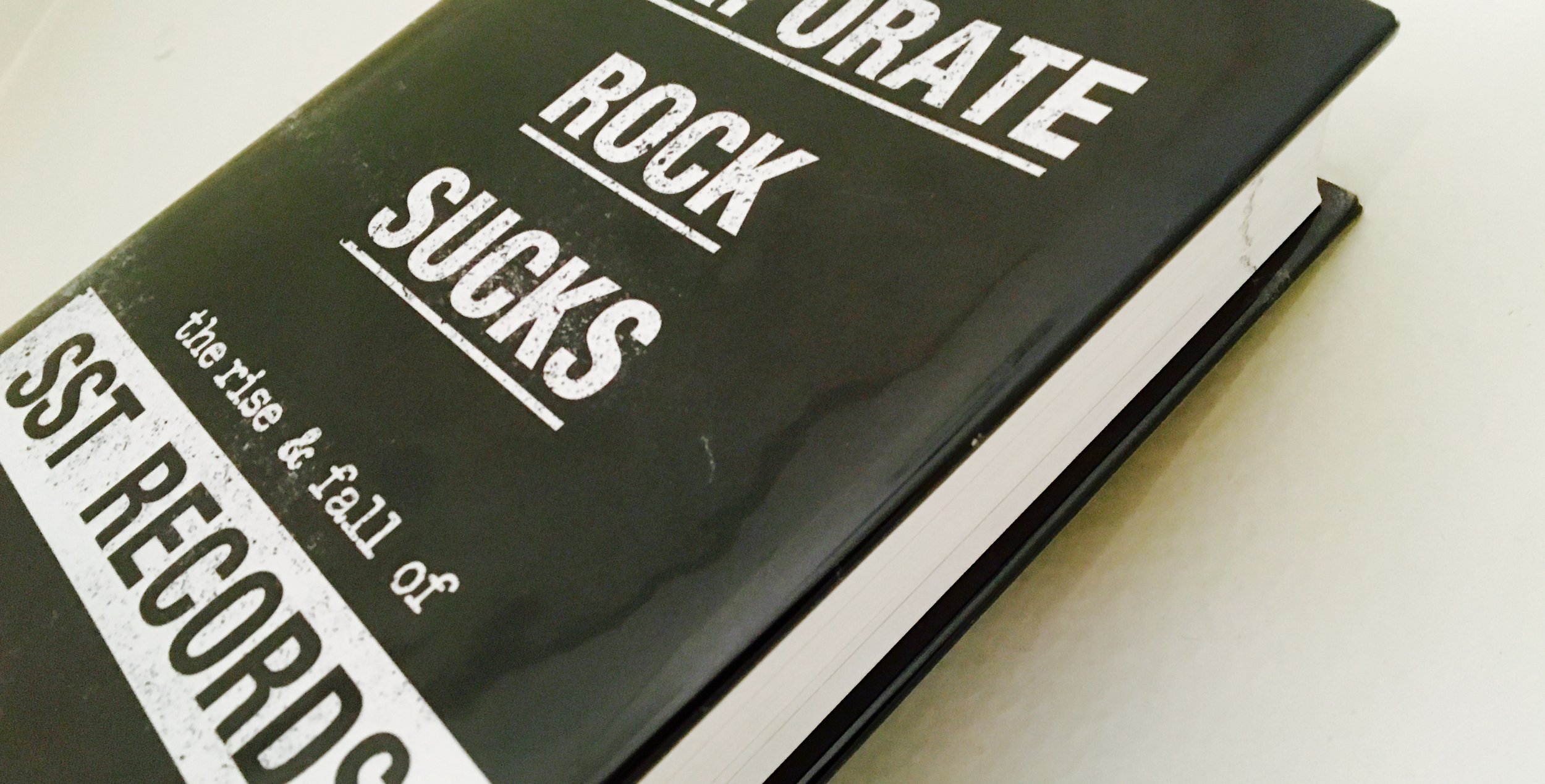
Book Review: Corporate Rock Sucks: The Rise and Fall of SST Records, Jim Ruland

Original image by There Stands the Glass.

Greg Ginn and I bonded over our mutual respect for Sonny Rollins the first time we met.  Many fans of Ginn’s seminal punk band Black Flag might be surprised by the anecdote.  Yet Jim Ruland’s revealing new book Corporate Rock Sucks: The Rise and Fall of SST Records repeatedly affirms Ginn's predilection for jazz.

Through a circuitous series of developments in the music distribution realm I then inhabited, my initial meeting with Ginn in the late ‘80s indirectly led to the debilitating blow dealt to SST by the bankruptcy of my employer in 2001.  (Mine was among the dozens of jobs that were lost in the post-Napster fallout.)

Ruland mentions the bankruptcy in passing, but his study primarily focuses on the staggeringly eclectic range of music released by SST.  The backstories of classic albums by the likes of Black Flag, ​​Hüsker Dü, the Minutemen and Sonic Youth are related in detail, as is Ginn’s adamant refusal to sign Nirvana.

From a purely artistic perspective, Ginn’s bias was justified.  He’d already signed the superior Soundgarden to SST.  Yet my head spins when I speculate about the additional Sonny Rollins-inspired punk albums that might have been issued had SST been flush with Nirvana money.